
Duration
2 years (120 ECTS)
Starting Date
September
Tuition Fee
€ 3,941 per year
Location
University of Bordeaux
Program outline
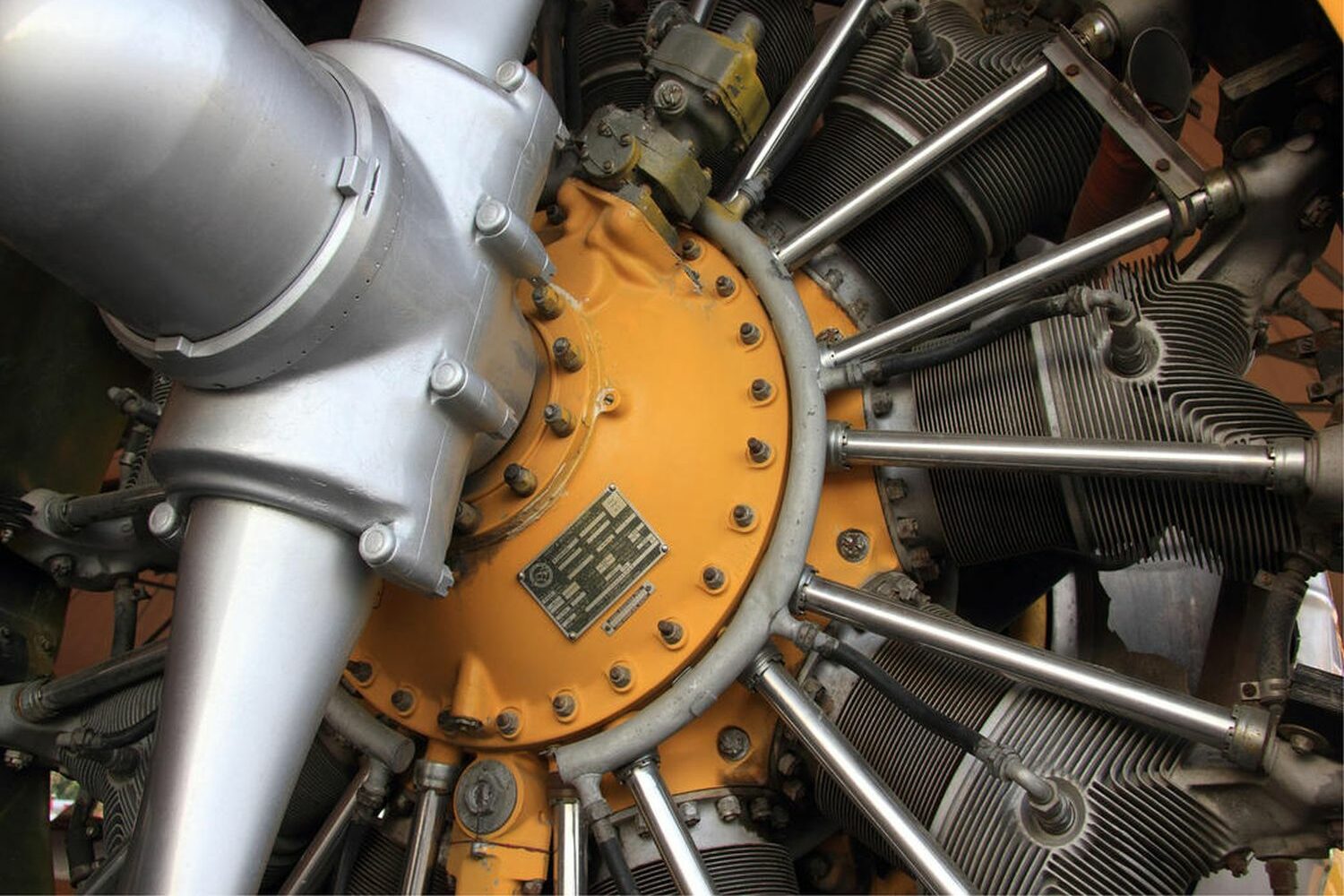
The TFM-ASA program combines studies and research based on aerodynamics, thermodynamics, compressible flows, turbulence, propulsion, combustion, turbomachinery, material science, to name a few. These themes are all directly connected with technical and fundamental studies as well as with aircraft, spacecraft, drone issues, etc.
The program is jointly managed by three academic European partners (France, Germany and Belgium) together with the support and expertise of:
Bordeaux / France:
- Industrial partners such as IRT St Exupery (Technological Research Institute), BAAS Society (Bordeaux Aquitaine Aéronautique et Spatial) and Aerospace Valley.
- Leading research laboratories, strongly involved in the aeronautic field such as I2M, LCTS, IMB (UBx).
Louvain-la-Neuve / Belgium:
- Applied Research Center CENEARO.
- Research Laboratories: IMMC (UCL).
Cottbus-Senftenberg / Germany:
- Close collaborations with space agencies (ESA, DLR), ROLLS ROYCE, MTU Aero Engines.
- Research Laboratory: CFTM² at BTU
These industrial partners provide specialized classes and internships to the program, thus providing the students with an overview about the actual issues faced by companies today. The result is a top-quality, highly-renowned international Master degree that meets the 120 ECTS syllabus requirements and corresponds with current job market criteria.
Strengths
- International program taught by experts (academics and industrial partners) from three different
universities in Europe. - Joint French/German and Belgian Master degree.
- International mobility period in the partner countries (2 semesters).
- Close collaboration with industrial partners and research institutes with a guarantee of intensive training periods.
Careers
After graduation, students may access career opportunities such as:
- Engineers in companies / nengineering departments of aeronautical and space sectors.
- Continuing their studies as PhD students and, after completion of their PhD, becoming postdoctoral researchers or assistant professors in universities or engineering schools.
Other interesting programmes
-
-

Law for Innovation
- The Law for Innovation program from University of Bordeaux is open to students with a bachelor's degree in law or political sciences.…
The Law for Innovation program from University of Bordeaux is open to students with a bachelor's degree in law or political sciences. It has the advantage of being taught in English. It is therefore open to non-French-speaking students wishing to study in France.
-
-
-

Economic Affairs
- The international Economic Affairs program at the University of Bordeaux provides students with a broad understanding of key and current…
The international Economic Affairs program at the University of Bordeaux provides students with a broad understanding of key and current economic issues in international affairs, and in-depth knowledge of practical European and international business skills and practices in a stimulating and enriching multicultural learning environment.
-
-
-
Transfers-Fluids-Materials in Aeronautical and Space Applications (TFM-ASA)
- This international Master program combines studies and research based on transfers, fluids and materials in aeronautical and space applications.
This international Master program combines studies and research based on transfers, fluids and materials in aeronautical and space applications.
-
-
-

Public Health Data Science
- This international Master program provides a year of international research into public health data science, from project design to real…
This international Master program provides a year of international research into public health data science, from project design to real life health data analysis and the communication of results.
-
-
-
Light Sciences and Technology
- This international Master is a Graduate Program of the University of Bordeaux Graduate Research School. The program focuses on knowledge…
This international Master is a Graduate Program of the University of Bordeaux Graduate Research School. The program focuses on knowledge and innovation in light sciences and technologies and provides a multidisciplinary environment for first-class research and education.
-
-
-
EUREkA / Chemistry of Materials
- This international Master program covers the domains of advanced functional polymer materials, advanced functional inorganic materials and advanced functional hybrid…
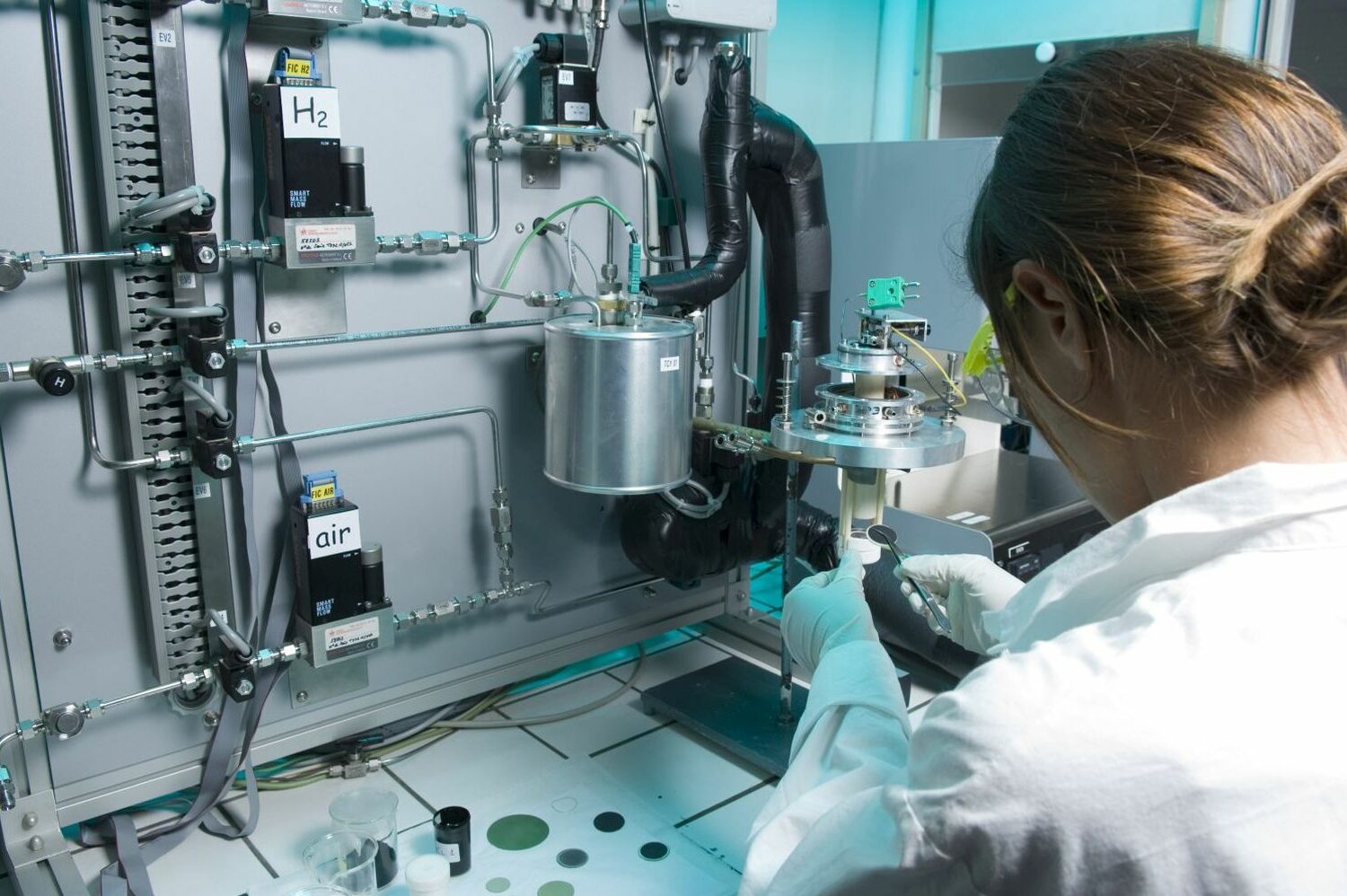
This international Master program covers the domains of advanced functional polymer materials, advanced functional inorganic materials and advanced functional hybrid and colloidal materials.
-
-
-
Cardiac EP – Electromechanical Heart Diseases
- This international Master program provides a year of training in the field of electrophysiology and cardiac bioengineering, with a global…
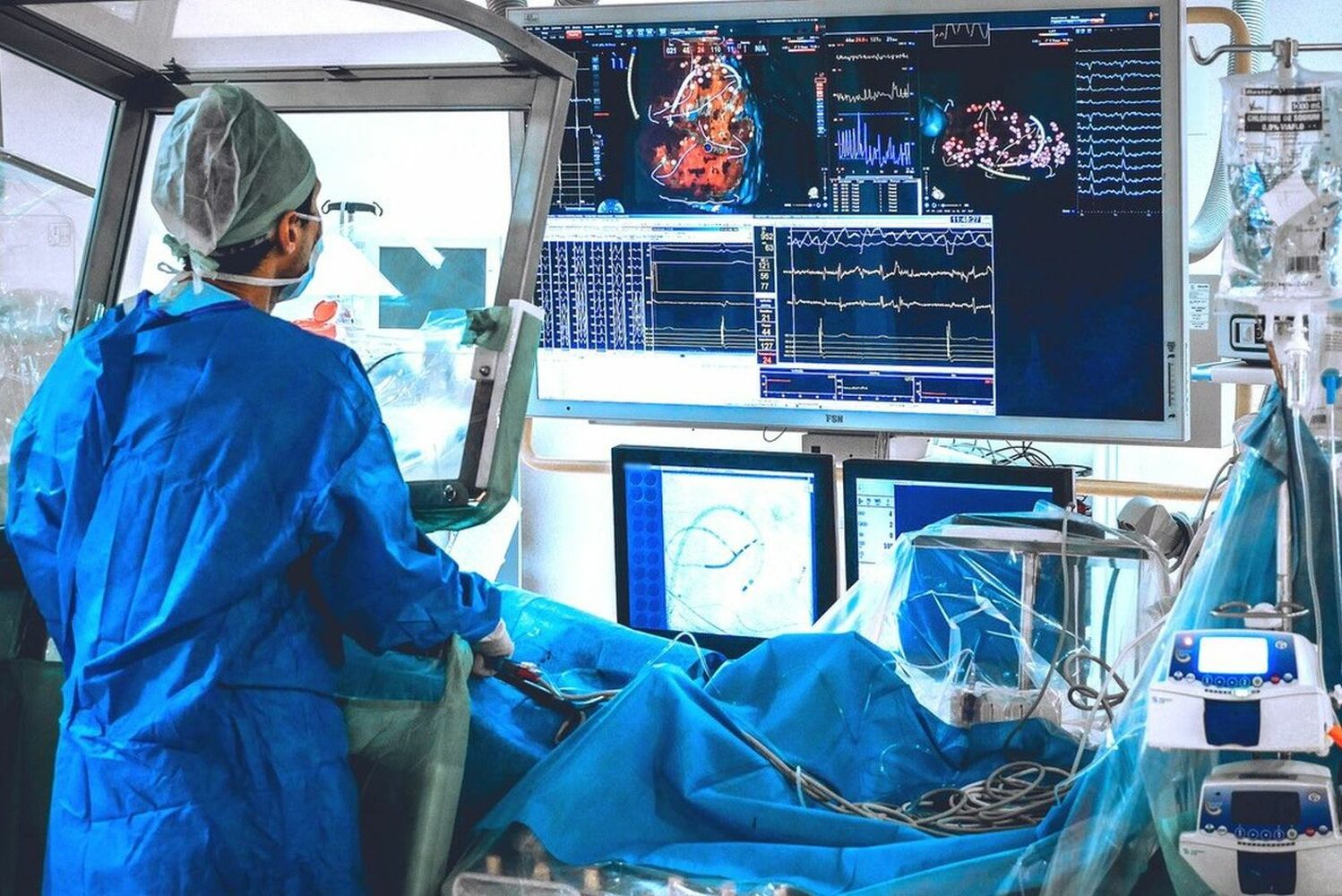
This international Master program provides a year of training in the field of electrophysiology and cardiac bioengineering, with a global and transversal approach to all pathologies including a cardiac electrophysiological component.
-
-
-
Cancer Biology
- This international Master program provides training that develops a broad understanding of fundamental bases and emergent areas in the field…
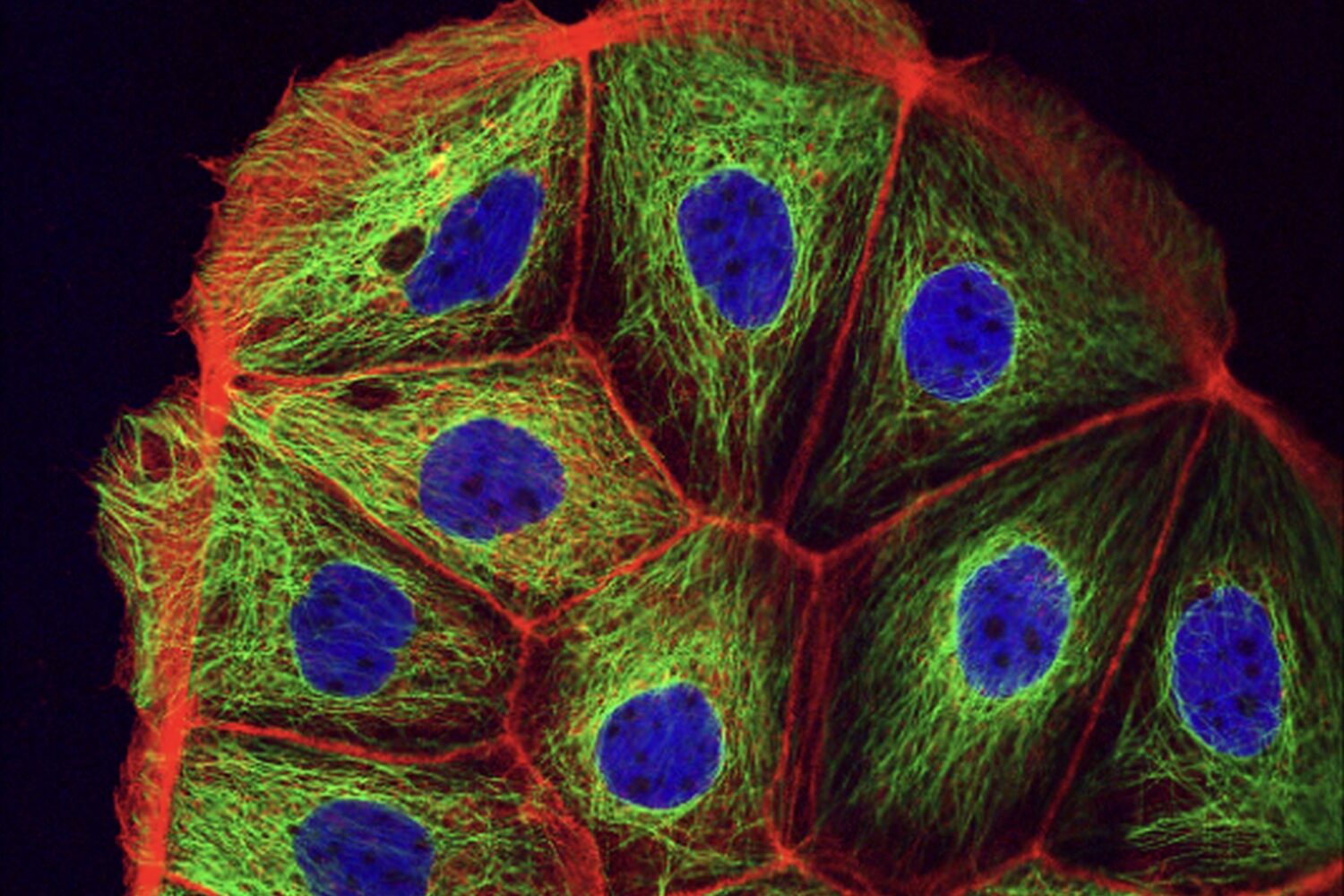
This international Master program provides training that develops a broad understanding of fundamental bases and emergent areas in the field of cancer, from basic cell and molecular biology of cancer to translational and clinical research.
-